Currently
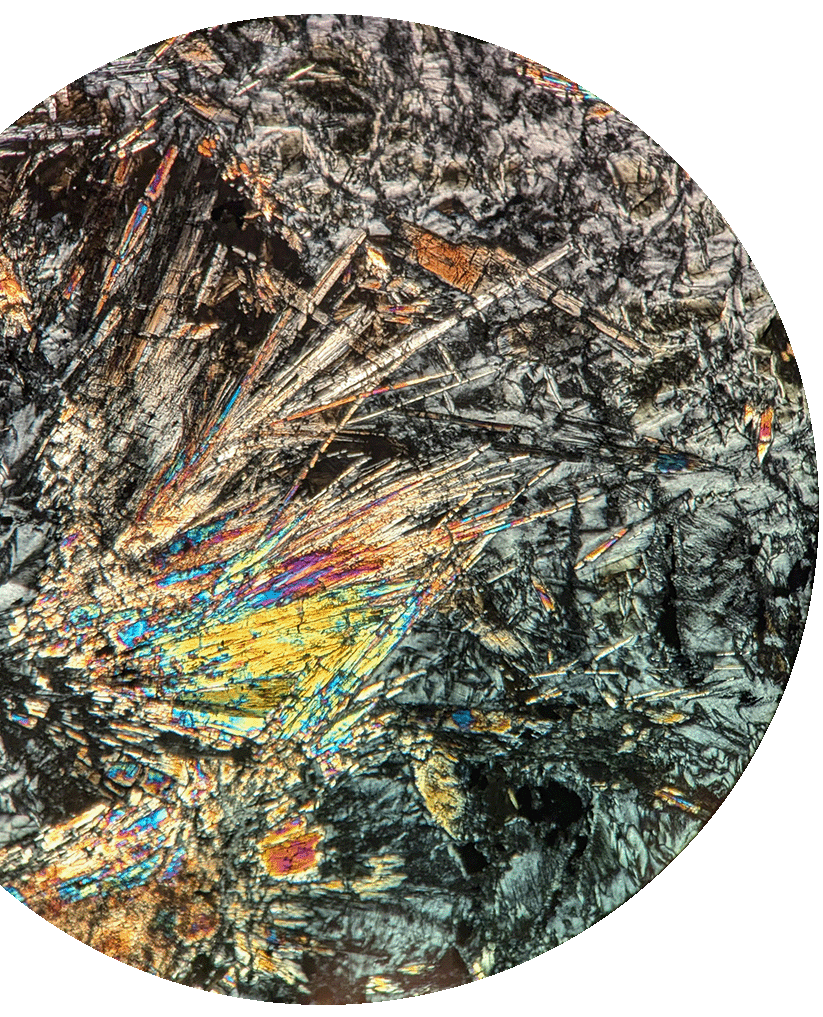
For the academic year 2026-2027, I am a Postdoc at Princeton University as a Harry Hess Fellow. I'm working on the weathering of ophiolites, the fate of organic carbon, and the cycling of volatiles in subduction zones. I have ongoing fieldwork in the Appalachians and in the North Cascades as well as new projects spinning up in Southern Japan and Southeast Asia. I continue to use my knowledge of mafic and ultramafic weathering to inform our understanding of Martian weathering products and the planet's long-term habitability.
You can find my latest CV here: CV
Coming soon
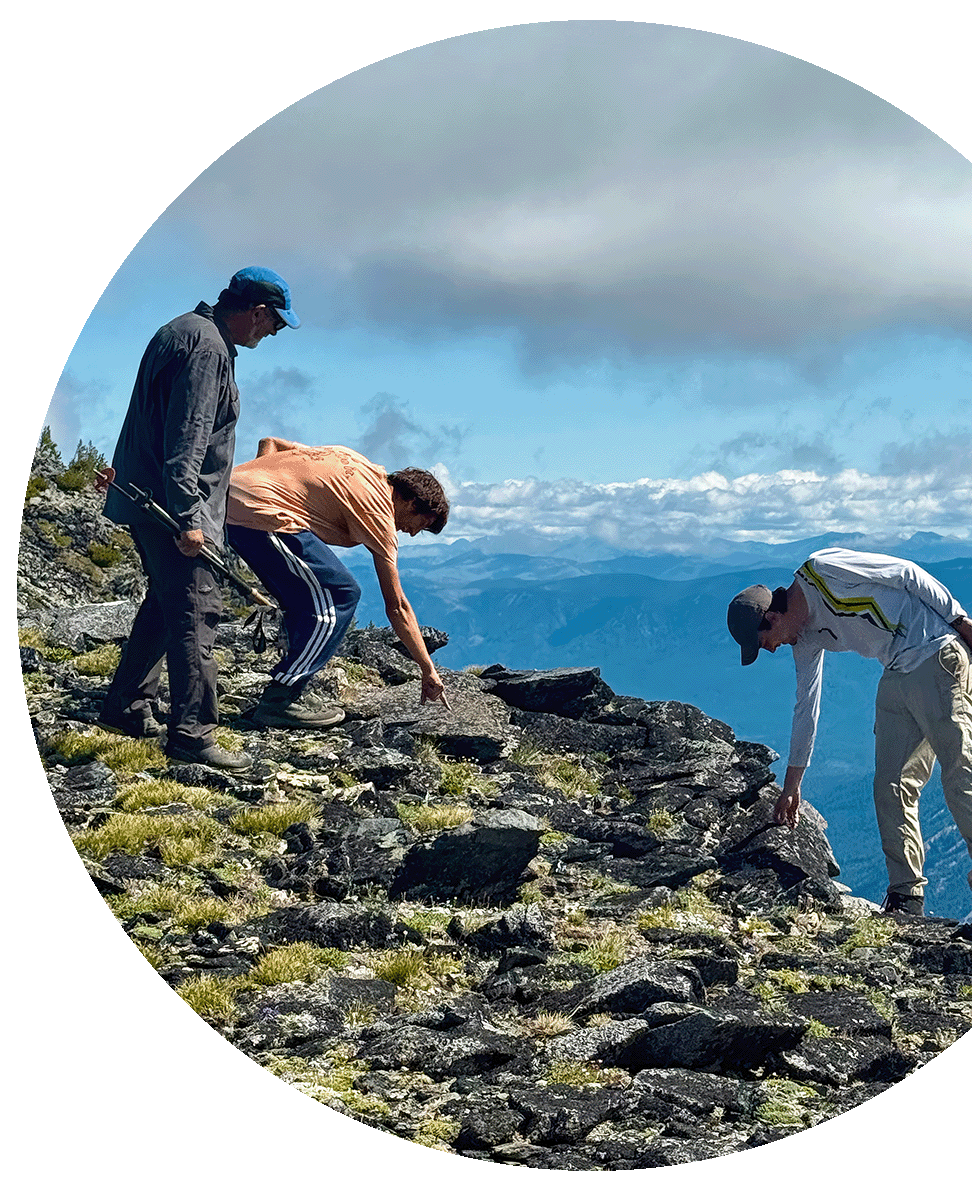
In July of 2027 I will be starting as an Assistant Professor in the Yale Department of Earth and Planetary Sciences. My group will focus on understanding the mechanisms by which planetary climates (mostly Earth) are stabilised and destabilised via tectonic processes. We will conduct field studies in regions that capture large-scale processes of carbon and water cycling: weathering and erosion; organic carbon burial; authigenic clay formation; and slab devolatisation. As well as being well-equipped for various flavours of fieldwork, the laboratory will be geared towards the analysis of carbon- and water-bearing minerals. If you're interested in backcountry fieldwork and the interconnectedness of the Earth system, get in touch.
Previously
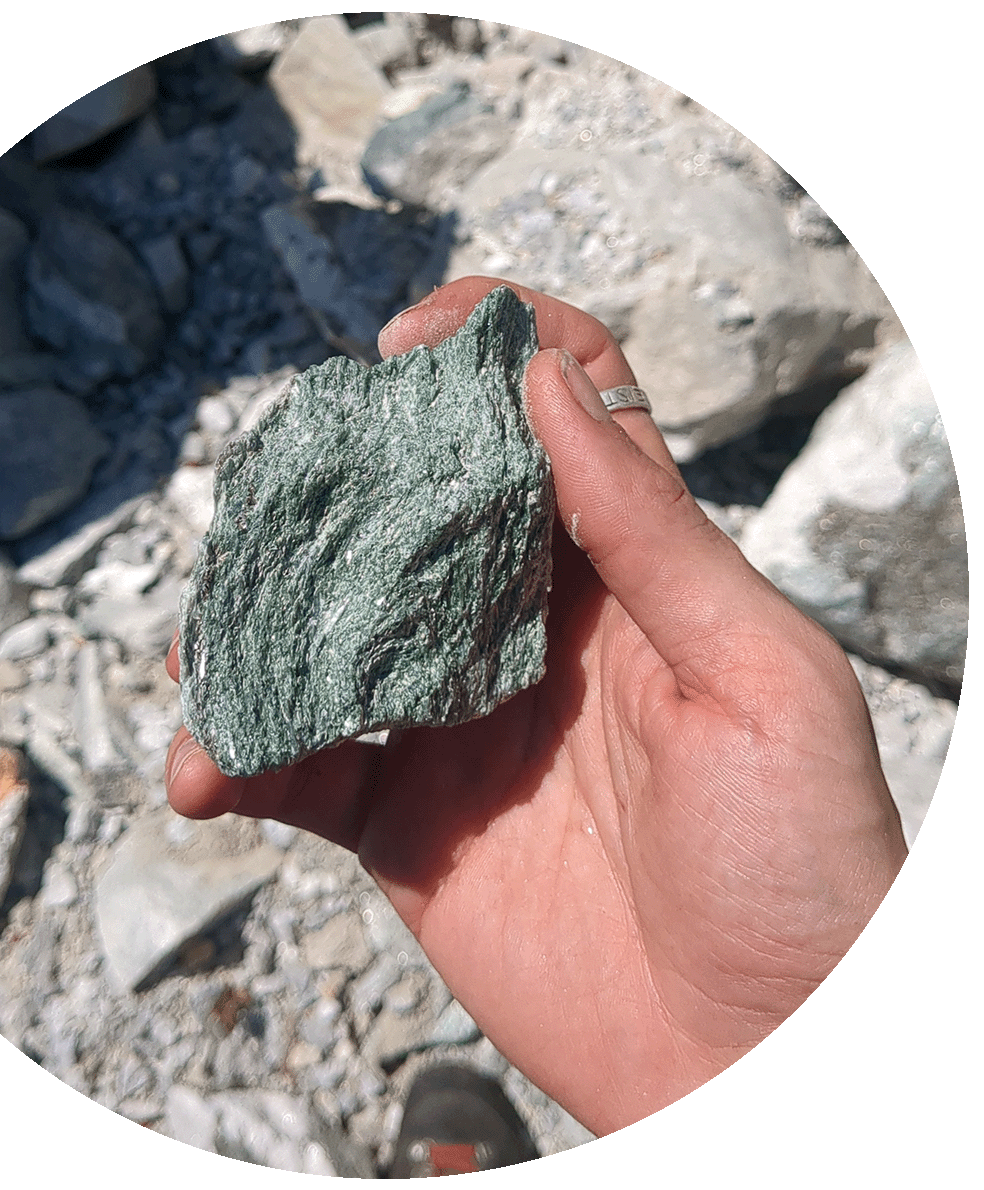
After my PhD I was a Postdoc at the Lamont-Doherty Earth Observatory (Columbia University) under Peter Kelemen working on lower crustal rocks of the North Cascades, olivine alteration on Mars, and ultra-low temperature metamorphism of shales.
My PhD work was with Oli Jagoutz at MIT studying the weathering of ultramafic rocks on Earth and on Mars, with a focus on planetary cooling over geologic timescales.
Prior to that I studied at Princeton University where I received my A.B. in geosciences with a minor in computer science. For my thesis, I worked with Blair Schoene and Jenn Kasbohm on the geochronology and geochemistry of the Columbia River Basalts.
I grew up in Scarborough, England, and am the first in my family to go to university. I am immensely grateful for the guidance and financial aid that I received – now I get to work on problems I find interesting. I continue to give back to the first-generation low-income academic community and try to remove barriers for students more broadly.